Consultations project header image

2023 · AXAZ

HOW CAN WE IMPROVE CONSULTATIONS FOR PATIENTS AND DOCTORS?

PROJECT OVERVIEW

This summer internship focused on an opportunity analysis and the further development of a solution aimed at improving the efficiency of specialist doctor consultations.

Our team was responsible for identifying the opportunities within this concept and outlining how it could be taken to the next stage. Much of the project is confidential, so I cannot share images of the final product, but I can share the process of testing a new business case and creating a working proof of concept using low-code technology.

UX Design
Opportunity Analysis
Business Case
User Interviews
User Journey Mapping
Prototyping
Figma
Low-Code Development
Appfarm
Design Sprint
Workshop Facilitation
Iterative Process
Project Planning
Communication
Kanban
Proof of Concept
Healthcare
Business Development
Interdisciplinary Teamwork
Usability Testing
AXAZ project workshop
MY ROLE

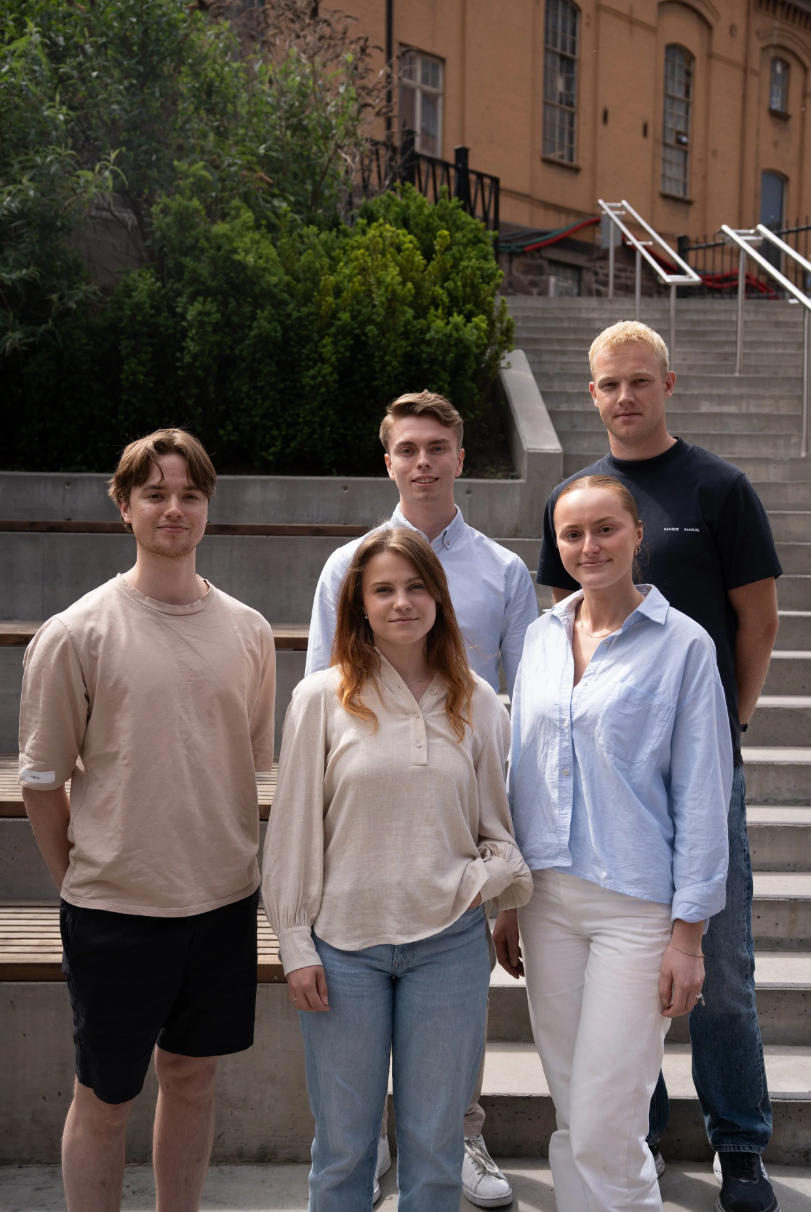
I worked in an interdisciplinary team, where I took the lead on design and prototyping in Figma and helped structure and drive the sprint process throughout the project.

DURATION

6 weeks

LOCATION

Oslo, Norway

CORE OBJECTIVE

Explore how digital consultations could improve efficiency and care

In 2023, more than 16 million people visited their general practitioner for a consultation, while growing patient demand and administrative burdens reduced the time doctors could spend on clinical work. At the same time, many patients were left without access to a general practitioner at all.

Our goal was to explore whether a digital solution could make consultations more effective and streamlined while still helping patients receive better care. The solution aimed to improve consultations, support better patient attention, and give doctors more time to focus on their work.

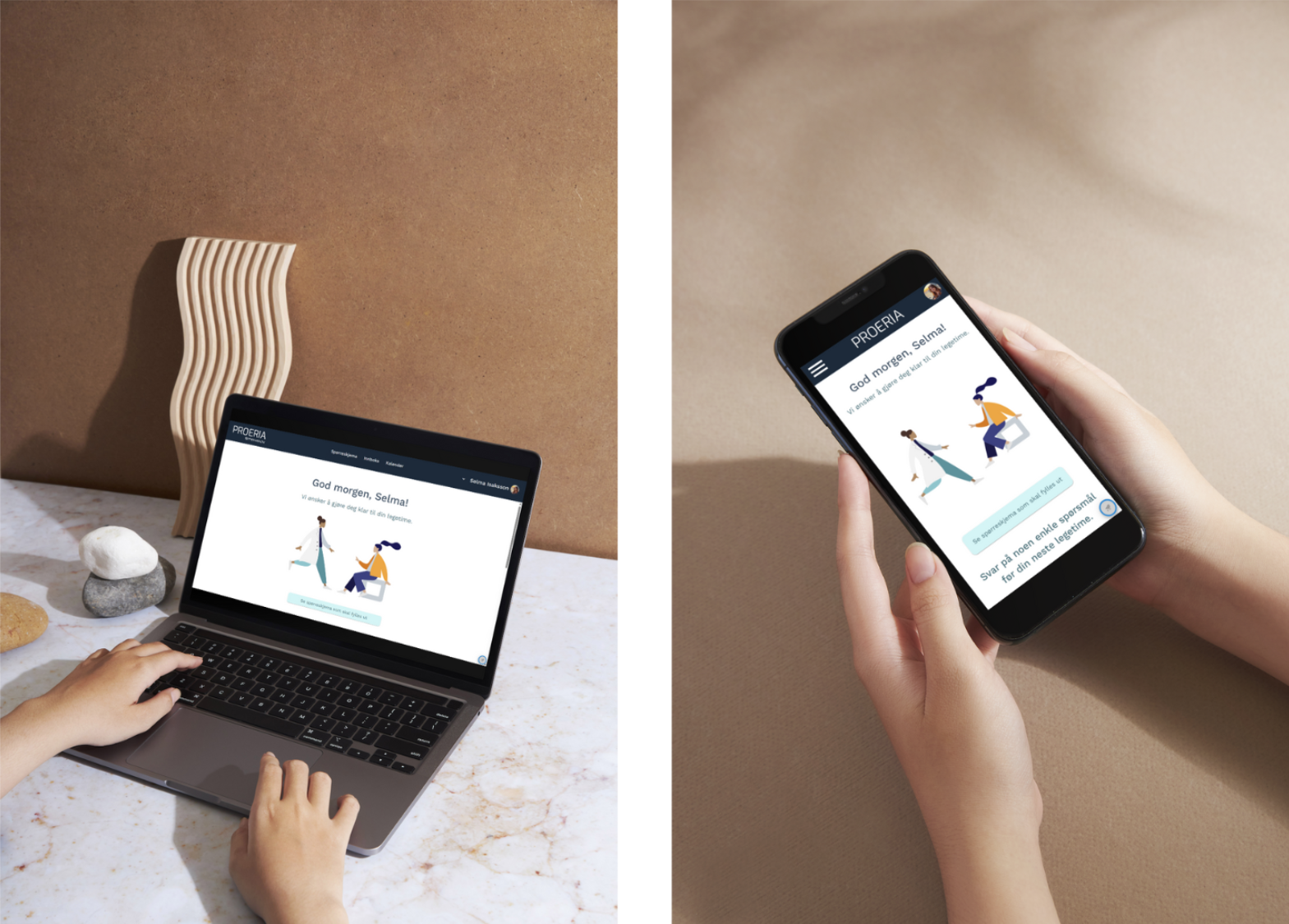
Digital consultation concept

Project timeline

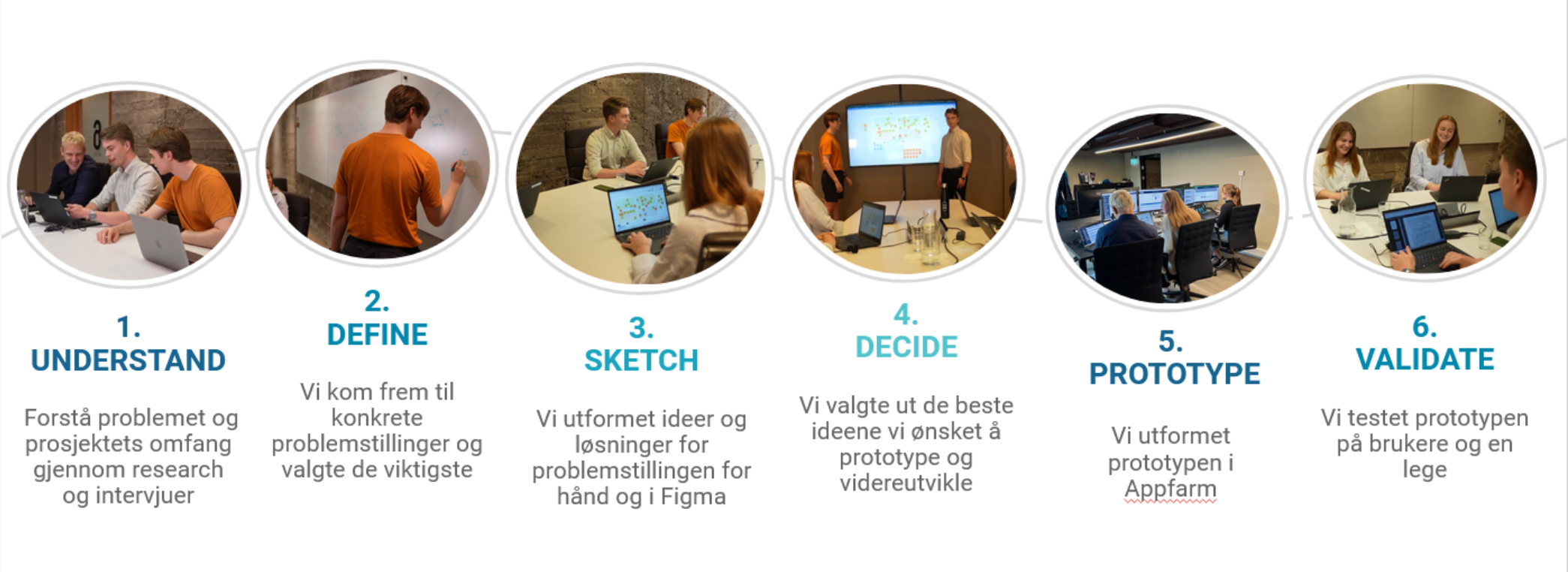
Using Google Design Sprint

Timeline of the AXAZ consultations project

Swipe to explore the process →

Step 1

Understand

We began by building a shared understanding of consultations, doctors, and the healthcare sector.

  • Interviewed AXAZ employees about previous work on the project
  • Interviewed 7 doctors about consultations and their daily work
  • Mapped the user journeys of both patients and doctors

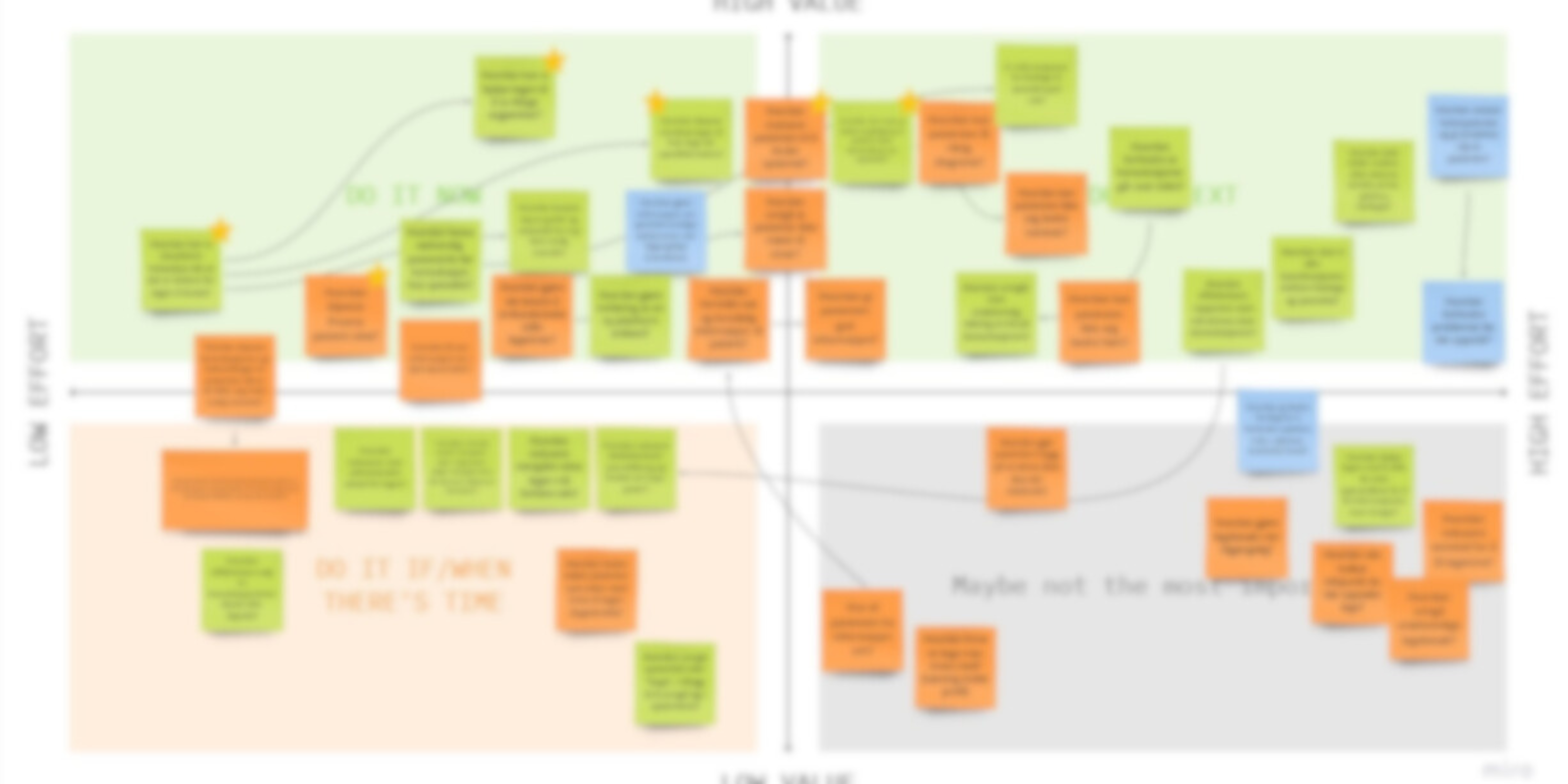
We also used tools such as the iceberg canvas to uncover less visible consequences and opportunities within the concept, helping us frame the problem space more clearly.
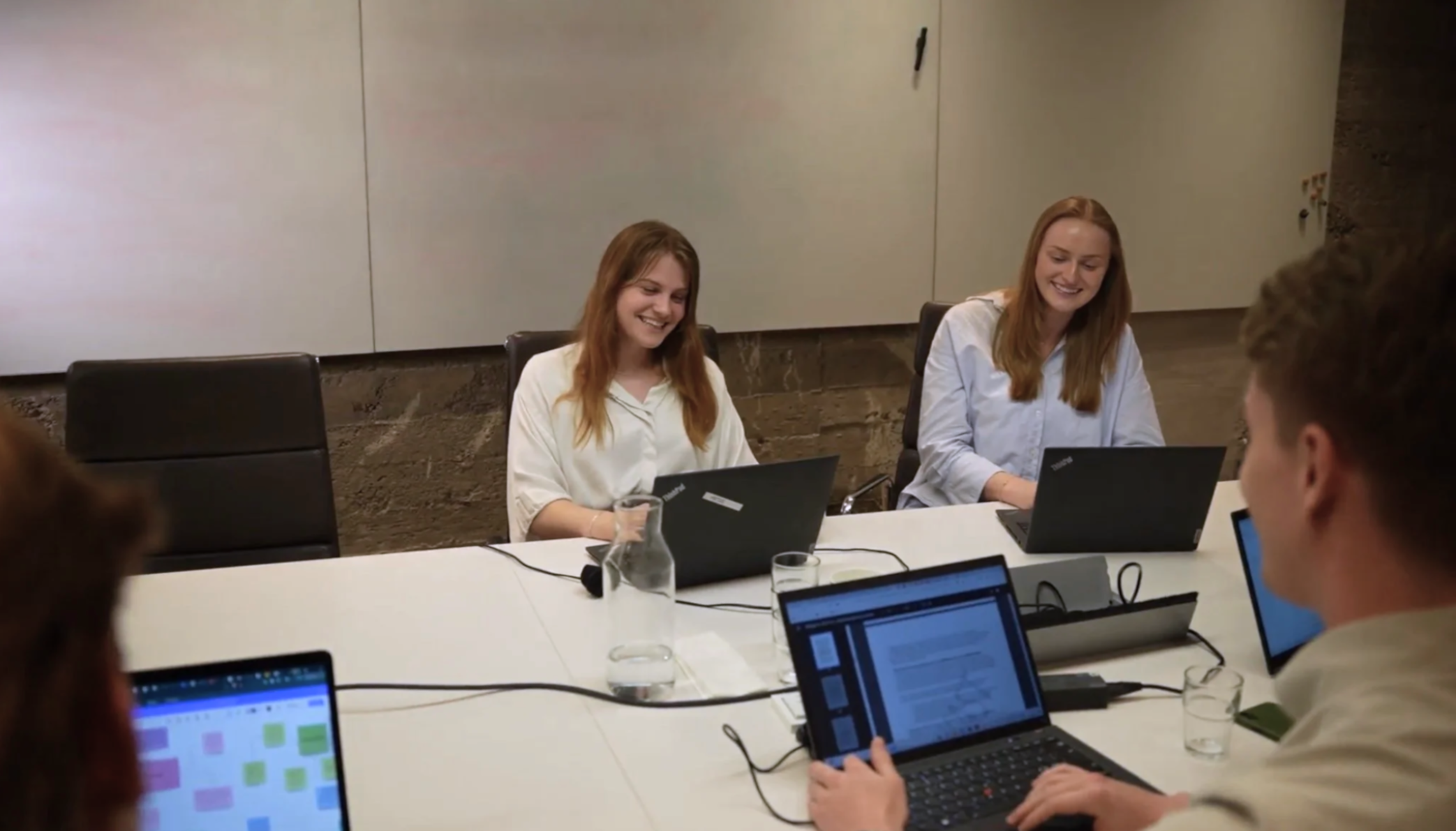
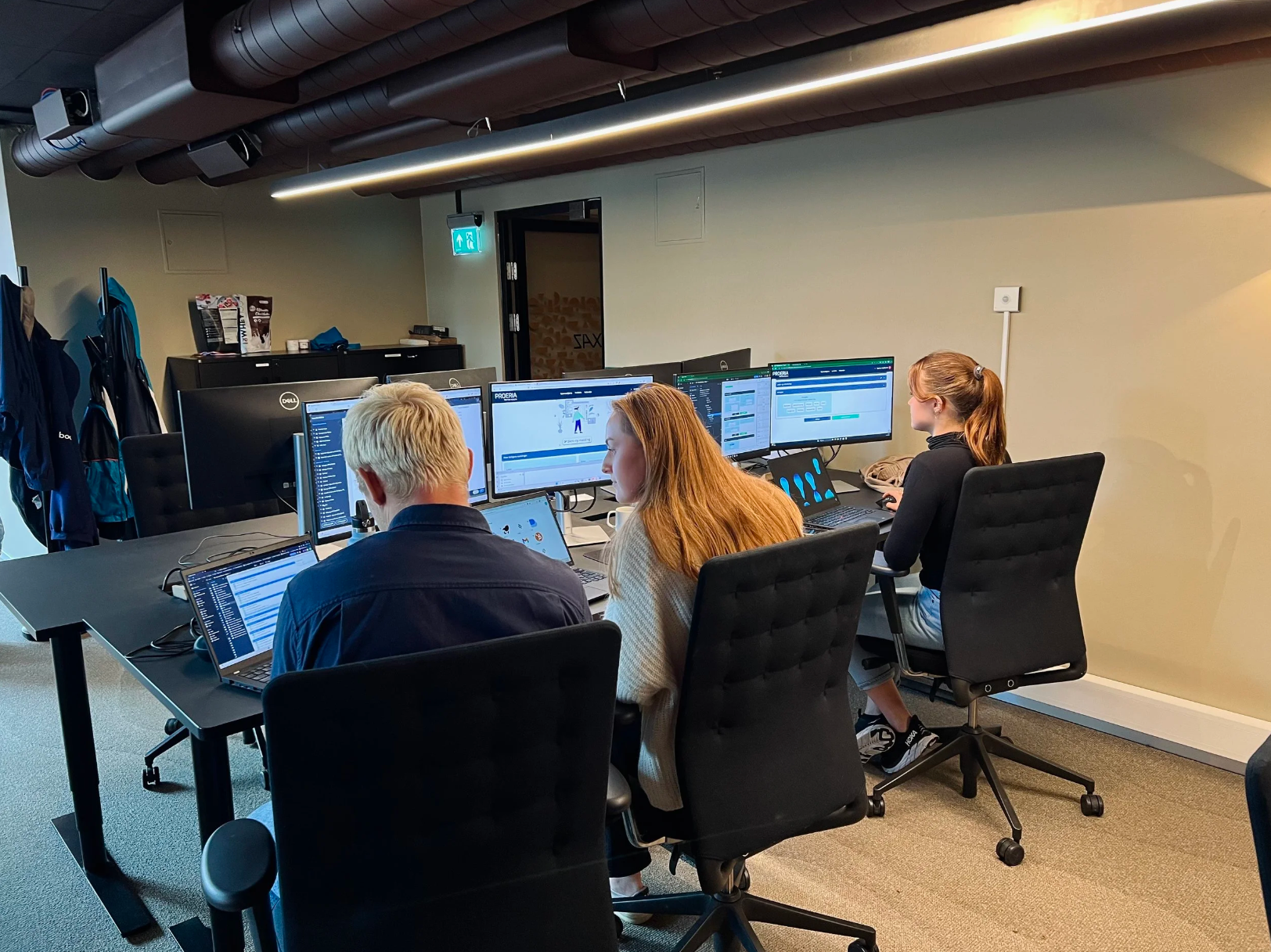
Research and workshop work during the project

RESULTS AND IMPACT

The project resulted in an opportunity analysis, a business case, and a working proof of concept for a digital health solution aimed at improving consultations in primary care.

Through interviews, journey mapping, prototyping, and low-code development, we demonstrated how a digital solution could streamline workflows, reduce pressure on doctors, and support better information flow between patients and healthcare professionals.

The concept received strong feedback from both a practicing doctor and internal stakeholders at AXAZ, which showed that the solution had clear relevance, value, and potential for further development.

Presentation of the consultations concept

Video

Learn more

Figure illustrating a key lesson from the project

Lessons learned

What this project taught me

This project taught me how valuable structured exploration can be when working with an early-stage concept. By combining qualitative interviews, journey mapping, prioritization methods, and rapid prototyping, we were able to move from a broad opportunity space to a concrete and testable solution.

It also strengthened my ability to work across business, design, and technology at the same time. I learned how to shape a product vision through insight, translate it into prototypes, and support a team in turning that direction into a functioning proof of concept.

Key takeaways from the project

INSIGHT SHOULD DRIVE THE CONCEPT

Interviews and journey mapping helped us identify real problems in consultations and focus the solution on meaningful needs.

STRUCTURE CREATES MOMENTUM

The Design Sprint framework gave the team a clear process for moving from uncertainty to a validated proof of concept in just six weeks.

DESIGN MUST SUPPORT FEASIBILITY

Leading the prototyping work in Figma helped create a shared direction for development and made the concept easier to build in Appfarm.